

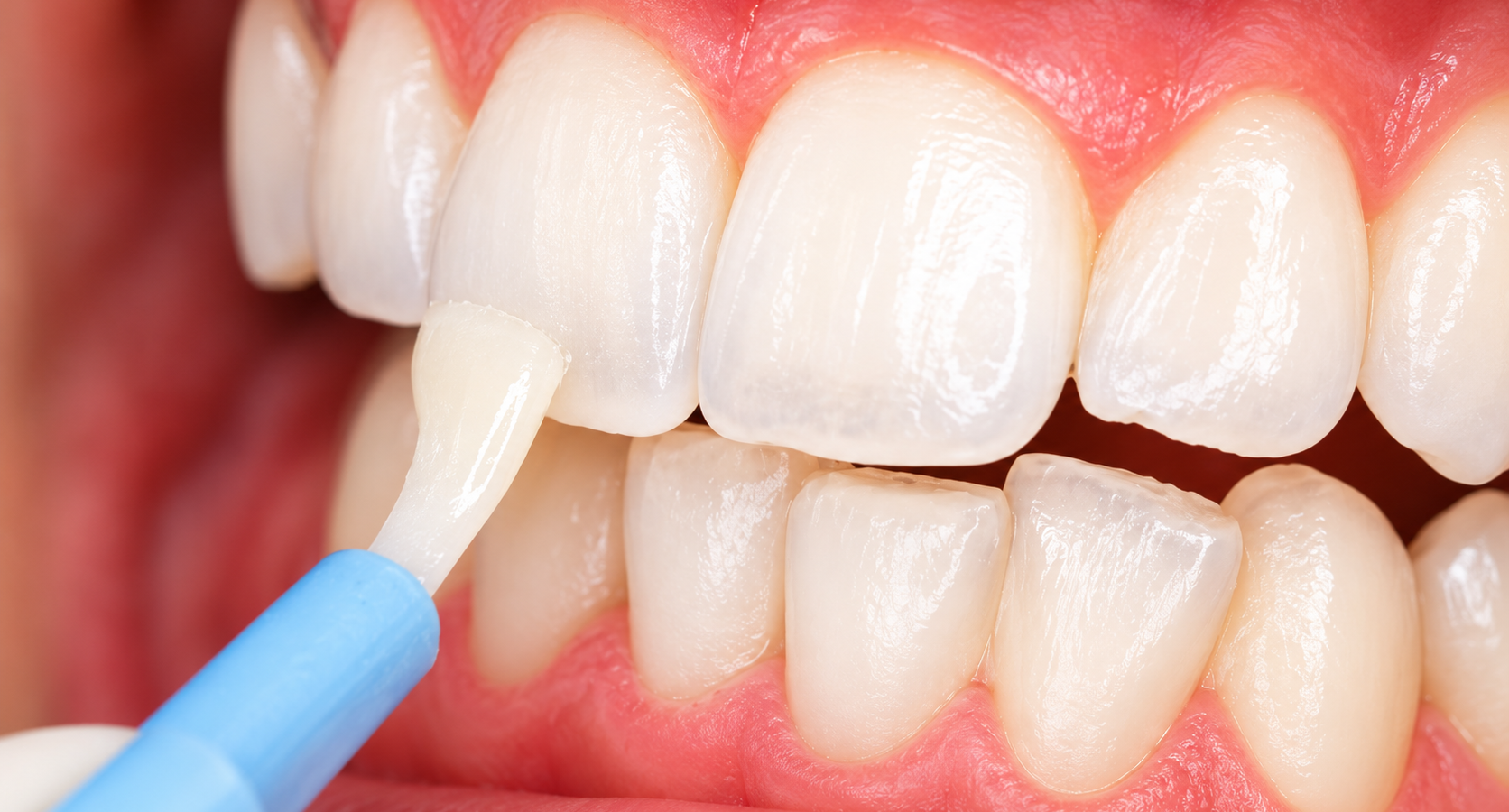
Fluoride Therapy: How It Helps Prevent Tooth Decay
Preventing tooth decay is an important part of maintaining good oral health. Along with regular brushing, healthy dietary habits and dental check-ups, fluoride therapy can play an important role in protecting teeth from dental caries.
Fluoride is a naturally occurring mineral that can be obtained through sources such as drinking water, toothpaste, foods and professional dental treatments. It works primarily by strengthening tooth enamel and helping teeth become more resistant to acid attacks.
How Does Fluoride Help Protect Teeth?
Fluoride supports dental health in several ways.
Strengthens Tooth Enamel
Fluoride helps strengthen the enamel, making it more resistant to the acids produced by harmful bacteria in the mouth.
Supports Remineralisation
In the early stages of tooth decay, fluoride can help support remineralisation, helping repair early damage before it progresses further.
Reduces Acid Production
Fluoride can reduce the ability of harmful oral bacteria to produce acids that contribute to tooth decay.
Helps Prevent Progression of Early Decay
By supporting enamel strength and remineralisation, fluoride can help prevent the progression of early carious lesions.
Types of Fluoride Therapy
Fluoride can be provided in systemic or topical forms.
Systemic Fluoride
Systemic fluoride is swallowed and becomes incorporated into developing teeth. Drinking water containing an appropriate level of fluoride is one example.
Topical Fluoride
Topical fluoride is applied directly to the teeth. Common forms include:
- Fluoridated toothpaste
- Fluoride mouthrinses
- Fluoride gels
- Fluoride foams
- Fluoride varnishes
A dental