Conservative Dentistry
Tooth Whitening
Brighten your smile safely and comfortably with professional whitening.
 Loading Lux Dente
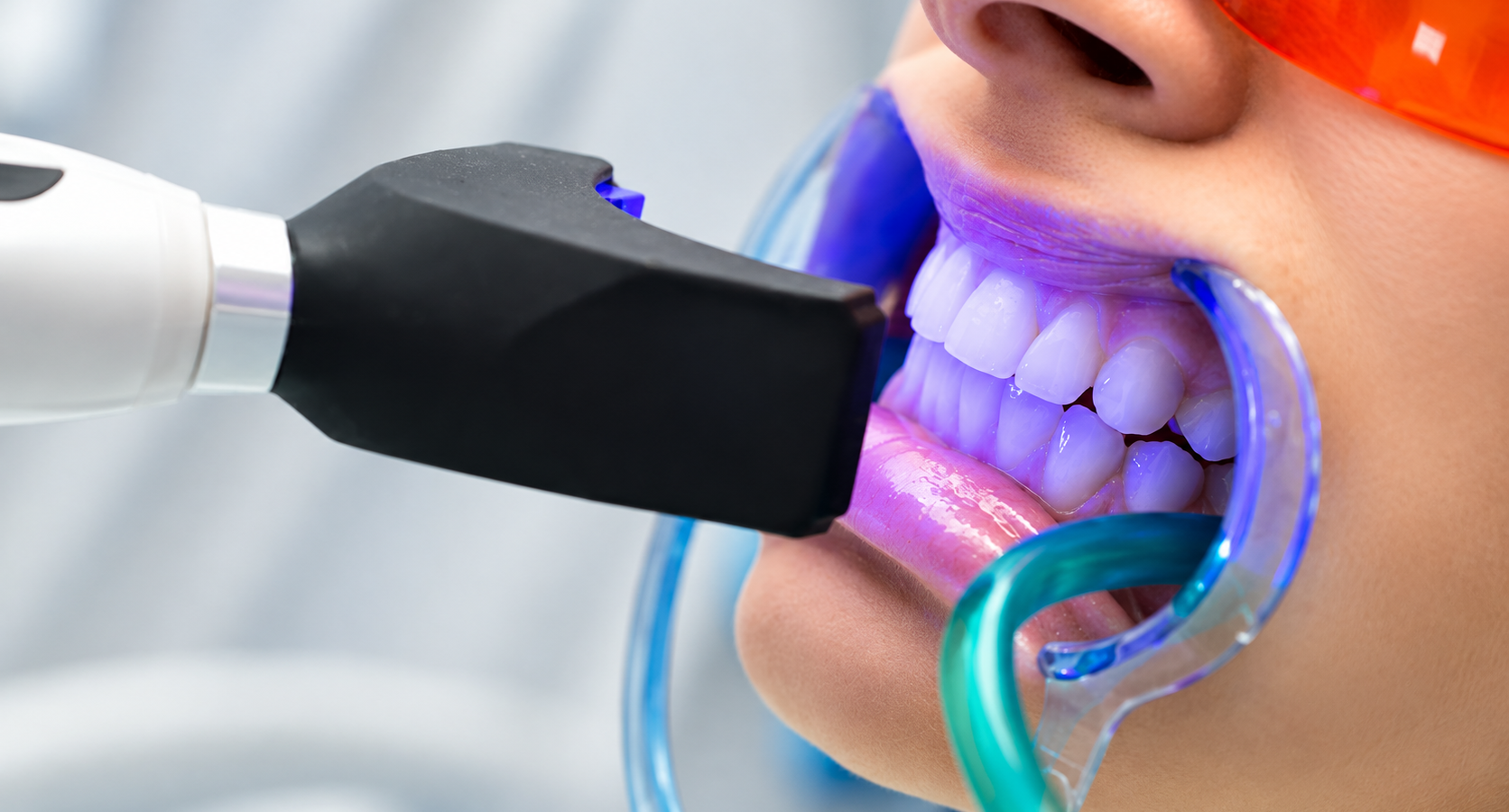
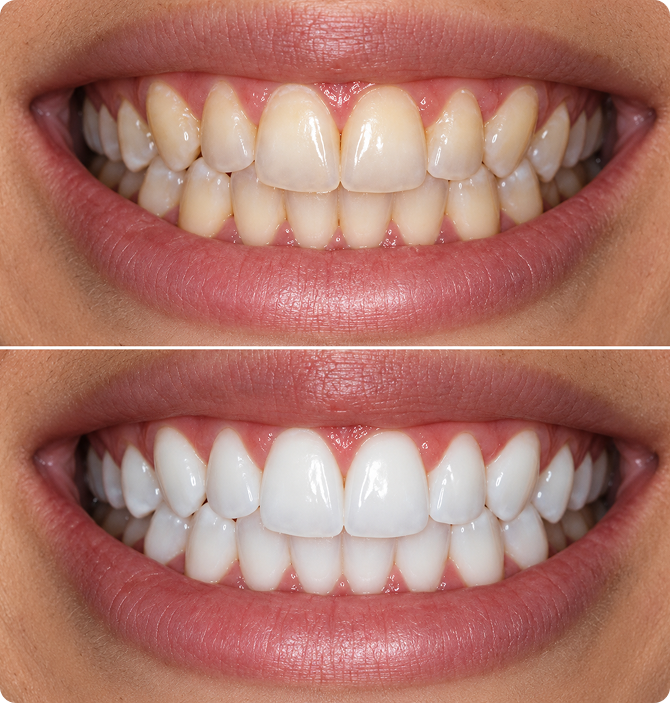
A bright, healthy-looking smile can make a noticeable difference to your confidence. Teeth whitening, also known as dental bleaching, is a cosmetic dental procedure designed to lighten the colour or shade of the teeth and reduce certain types of discolouration.
Teeth can become darker or stained for several reasons, including age, dietary habits, tobacco use and certain types of intrinsic staining. Professional teeth whitening performed under the supervision of a dentist can be an effective way to improve the appearance of your smile when the treatment is appropriate for your dental condition.
Teeth whitening may be considered for people experiencing different types of tooth discolouration, including:
Taking care of your teeth after bleaching can help maintain the results. For the first 24–48 hours, it is generally advisable to avoid or minimise foods and beverages that can cause staining, including tea, coffee and strongly coloured foods. Smoking should also be avoided.
Your dentist may recommend a desensitising toothpaste if you experience sensitivity following treatment. Maintaining good oral hygiene and following your dentist’s specific post-treatment instructions are also important.
Teeth whitening is not a permanent treatment. How long the results remain noticeable varies from person to person and can depend on factors such as diet, oral hygiene, smoking and aftercare.
Periodic maintenance may be recommended depending on your individual needs.
Professional whitening may not be suitable in certain situations. Treatment may need to be postponed or avoided in patients with:
A dental examination before treatment helps determine whether whitening is appropriate and whether any underlying dental concerns need attention first.
Teeth whitening can be a simple and effective way to enhance dental aesthetics when the case is appropriately selected. Professional assessment, suitable treatment planning and proper aftercare can help achieve a more predictable and comfortable whitening experience.
If you are considering teeth whitening in Trivandrum, consult a qualified dentist to understand whether professional bleaching is suitable for your teeth and what results you can realistically expect.