

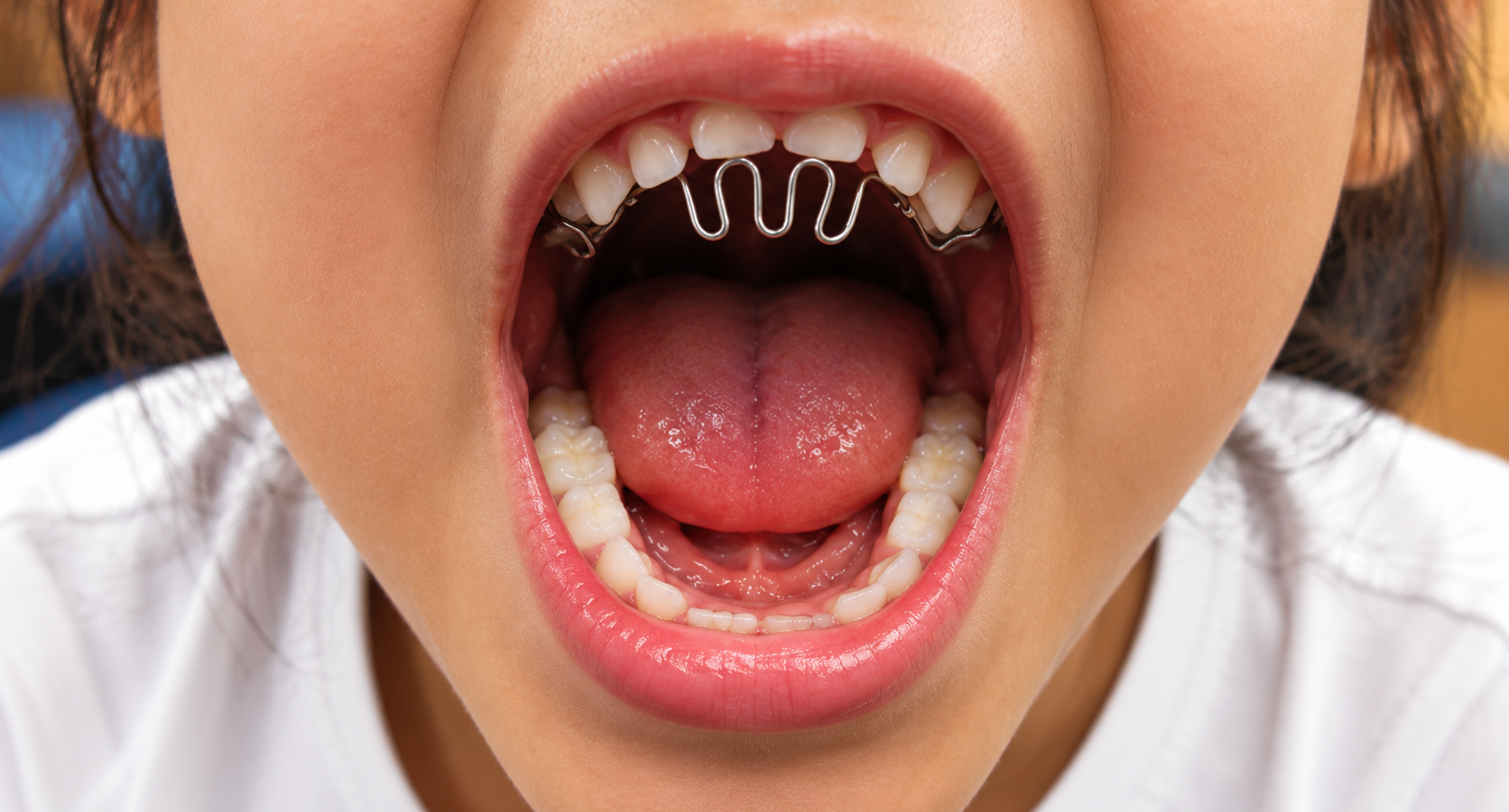
Habit Breaking Appliances: Helping Correct Harmful Oral Habits in Children
Children may develop different oral habits as they grow. Some habits are considered normal during early childhood, but when they persist, they can interfere with the normal development of the teeth, jaws, muscles and surrounding soft tissues.
Common harmful oral habits include thumb or finger sucking, tongue thrusting, lip sucking or biting, and abnormal tongue posture. When these habits continue for an extended period, they may contribute to changes in dental development and the way the teeth come together.
Habit-breaking appliances are orthodontic appliances designed to help eliminate persistent oral habits and prevent or correct the associated malocclusion.
When Are Habit-Breaking Appliances Recommended?
Habit-breaking appliances may be considered when an oral habit continues and begins to interfere with normal dental or facial development. They may be indicated for:
- Persistent thumb or finger sucking
- Mouth breathing
- Tongue thrusting
- Lip sucking or biting
- Habits that interfere with normal dental and facial development
Early recognition is important because addressing persistent habits at an appropriate stage may help prevent or reduce associated dentoalveolar disturbances.
Types of Habit Breaking Appliances
Different appliances are designed to address different habits.
Palatal Crib
A palatal crib is used for habits such as thumb sucking and tongue thrusting. It helps discourage the habit and supports more appropriate oral function.
Bluegrass Appliance
The Bluegrass appliance can also be used to help manage thumb sucking and tongue thrusting.
Oral Screen
An oral screen may be used for mouth breathing and to help control habits such as lip sucking or lip biting.
Tongue Guard
A tongue guard helps prevent the tongue from being positioned between the front teeth. It can also help encourage a more normal resting position of the tongue.
Benefits of Habit Breaking Appliances
When appropriately selected, these appliances can provide several benefits:
- Help eliminate persistent oral habits
- Prevent progression of habit-related malocclusion
- Encourage more normal muscle function
- Provide continuous habit control when fixed appliances are used
However, an appliance is only one part of habit management. The child’s age, the nature of the habit and its effect on dental development should all be considered when planning treatment.
The Importance of Early Intervention
Persistent oral habits are often easier to manage when recognised early. Early intervention can help prevent or reduce dentoalveolar disturbances associated with prolonged habits.
Successful habit elimination may involve a combination of parental guidance, behaviour modification and an appropriately selected appliance.
Supporting Healthy Dental Development
Habit-breaking appliances can be an important part of managing persistent oral habits in growing children. With appropriate assessment and timely intervention, they can help control harmful habits and support healthier dental and facial development.
If you are concerned about thumb sucking, tongue thrusting, mouth breathing or another persistent oral habit, consult a dentist or orthodontic professional for an evaluation and personalised treatment plan.